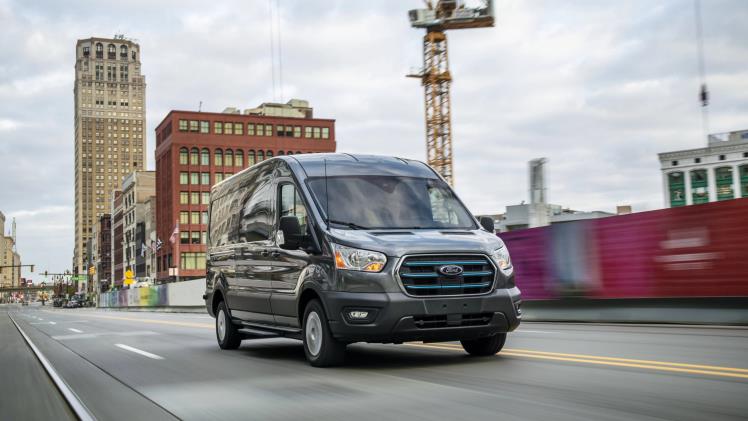
The automotive industry is undergoing a significant transformation as electric vehicles (EVs) and smart transportation technologies gain prominence. Ford is at the forefront of this evolution, committing to innovations that reduce environmental impact, enhance efficiency, and improve the driving experience. By focusing on clean energy and connected vehicle solutions, Ford is shaping a future where transportation is more sustainable, intelligent, and responsive to the needs of drivers and communities alike.
What Are Ford’s Key Electric Vehicle Initiatives?
Ford has made significant investments in electric vehicles, offering a range of models designed to meet different consumer needs. From passenger cars to SUVs and trucks, Ford’s EV lineup emphasizes performance, reliability, and eco-friendliness. Advanced battery technology extends driving range and improves charging efficiency, making electric vehicles practical for everyday use. By providing affordable and high-quality EV options, Ford encourages adoption while supporting a reduction in greenhouse gas emissions.
How Is Smart Technology Transforming Transportation?
Smart transportation involves integrating advanced technology into vehicles to improve safety, connectivity, and convenience. Ford incorporates features such as driver-assist systems, real-time navigation, and vehicle-to-infrastructure communication to create a connected driving experience. These technologies enhance safety by alerting drivers to potential hazards, optimizing routes, and enabling semi-autonomous driving in certain conditions. Smart systems also improve traffic flow and reduce congestion, contributing to more efficient urban mobility.
Why Is Sustainability Central to Ford’s Vision?
Sustainability is a key driver of Ford’s electric and smart transportation initiatives. By developing zero-emission vehicles, utilizing renewable energy in production, and optimizing materials and resources, Ford minimizes environmental impact throughout a vehicle’s lifecycle. These efforts support global goals for carbon reduction while promoting responsible manufacturing practices. Sustainability extends beyond vehicles to include initiatives like circular supply chains and battery recycling programs, reinforcing Ford’s commitment to a greener future.
What Benefits Do Electric and Smart Vehicles Offer?
Electric and smart vehicles provide numerous benefits to drivers and communities. EVs offer lower operating costs, reduced fuel consumption, and quieter operation, while smart systems enhance safety, convenience, and efficiency. Drivers can enjoy real-time traffic updates, predictive maintenance alerts, and connected features that make commuting smoother and more enjoyable. Collectively, these benefits improve the overall quality of transportation, creating a more sustainable and user-friendly experience.
How Is Ford Preparing for the Future of Mobility?
Ford’s approach combines innovation, investment, and strategic partnerships to advance the future of mobility. Research and development focus on battery improvements, autonomous driving technologies, and integrated mobility solutions that address evolving consumer demands. By collaborating with technology providers, energy companies, and city planners, Ford ensures its vehicles and services are compatible with the broader ecosystem of sustainable and intelligent transportation.
What Impact Does This Have on Communities?
The adoption of electric and smart vehicles has far-reaching impacts. Reduced emissions improve air quality and public health, while connected systems enhance traffic management and reduce congestion. Communities benefit from quieter streets, lower fuel costs, and access to cutting-edge technology that supports safer and more efficient travel. Ford’s leadership in this area promotes positive change for both individuals and society as a whole.
Why Is Innovation Critical for Ford’s Mission?
Innovation is central to Ford’s mission of transforming transportation. By continuously developing new technologies, improving vehicle performance, and addressing environmental challenges, Ford leads the shift toward a cleaner, smarter, and more sustainable future. The company’s commitment ensures that drivers, cities, and the planet all benefit from advancements in electric and smart mobility.
In conclusion, Ford is driving the evolution of electric and smart transportation through innovative vehicles, advanced technologies, and sustainable practices. By focusing on performance, connectivity, and environmental responsibility, Ford is shaping a future where mobility is cleaner, safer, and more efficient. The company’s leadership ensures that electric and smart vehicles are accessible, practical, and capable of meeting the demands of modern drivers while supporting a sustainable world.